Periods pain relief: what works for period cramps, and when pain isn't normal
Practical period pain relief that works: heat, exercise, common painkillers and how to use them safely, hormonal options, home tips, and the warning signs of endometriosis, fibroids and infection.
Key points
- Period cramps are very common, especially in teenagers and young women. Mild to moderate pain that's eased by simple measures is usually normal.
- Heat (a hot water bottle), gentle exercise and anti-inflammatory painkillers (NSAIDs such as ibuprofen), taken as directed, are effective for many women.
- If pain is severe, stops you going to school or work, or is getting worse over time, see a doctor. It could be endometriosis or another treatable condition.
- Never ignore sudden severe pain, fever, fainting or pain with a possible pregnancy.
For many girls and women in Pakistan, period pain is something to endure quietly: a hot water bottle, a few days of missed classes, and the advice that "yeh sab normal hai, shaadi ke baad theek ho jayega". Some pain is normal. But severe pain isn't something you just have to put up with, and it's often a sign of a condition that can be treated.
This guide covers what helps, how to use painkillers safely, and when to see a doctor.
Why do periods hurt?
During your period, the womb lining releases chemicals called prostaglandins, which make the womb muscle contract to shed the lining. Higher levels mean stronger contractions and more pain. Prostaglandins can also cause nausea, loose stools, headaches and back pain.
This is called primary dysmenorrhoea, period pain without an underlying disease. It usually:
- Starts within a year or two of your first period
- Begins just before or at the start of bleeding
- Lasts 1–3 days
- Is felt as cramps in the lower belly, sometimes spreading to the back and thighs
- Often improves with age
Pain caused by a condition, such as endometriosis or fibroids, is called secondary dysmenorrhoea.
Period pain relief that works
1. Heat
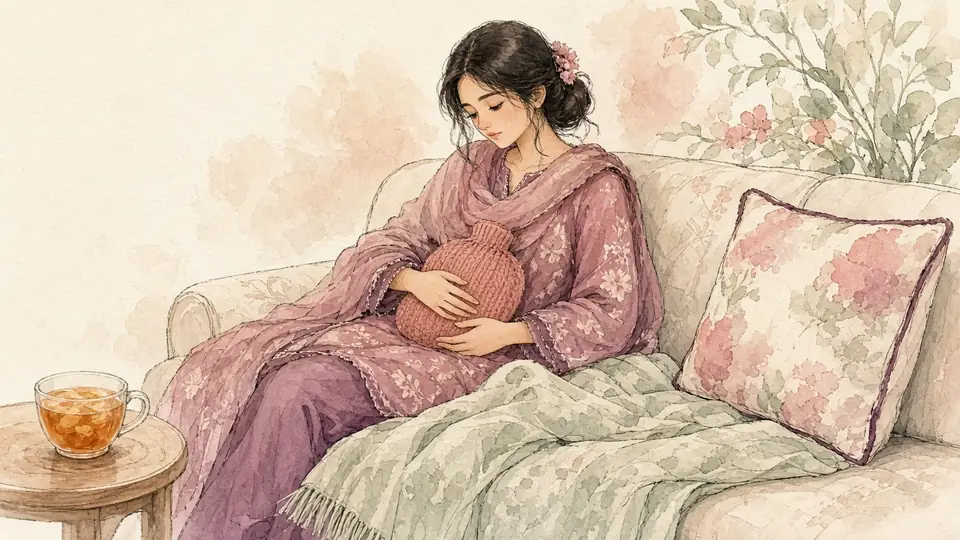
A hot water bottle (wrapped in a towel), a heat pad, or a warm bath can relax the muscles of the womb. Studies show heat can be about as effective as some painkillers for mild to moderate pain.
2. Anti-inflammatory painkillers (NSAIDs)
NSAIDs reduce prostaglandin production, so they treat the cause of the cramps, not just the feeling of pain. Common examples include ibuprofen, naproxen and mefenamic acid. Research reviews show NSAIDs are effective for period pain.
How to use them more effectively and safely:
- Start at the first sign of your period or pain, rather than waiting until the pain is severe.
- Take them with food to reduce stomach upset.
- Follow the dose on the pack or from your pharmacist or doctor, and don't exceed it.
- Don't take two different NSAIDs together.
Avoid NSAIDs, or ask a doctor first, if you: have asthma made worse by painkillers, stomach ulcers or bleeding, kidney or liver disease, heart problems, or are pregnant or trying to conceive. Paracetamol is an alternative, though it may be less effective for cramps.
3. Exercise
Regular physical activity, such as walking, yoga, stretching or cycling, is linked to less period pain. Even gentle movement during your period can help.
4. Other self-care
- Gentle massage of the lower belly
- Rest and a comfortable position, such as lying on your side with knees bent
- Relaxation and breathing exercises
- Staying hydrated
- Cutting down on smoking, which is linked to more period pain
5. TENS machine
A small device that sends mild electrical pulses through the skin. Some women find it helpful.
6. Hormonal treatment
If simple measures aren't enough, a doctor may suggest hormonal contraception, such as the combined pill, progestogen-only options or a hormonal IUD. These can make periods lighter and less painful. They're prescription treatments, so discuss the options and side effects with your doctor.
What about desi remedies?
Ginger (adrak), cinnamon, fennel (saunf) and other remedies are widely used. Some small studies suggest ginger may help a little, but evidence is limited. Warm drinks are comforting and generally harmless. Avoid herbal products sold with claims to "clean the womb" or that contain unknown ingredients.
When period pain isn't normal
See a doctor if your pain matches any of the warning signs listed on this page. Possible causes include:
Endometriosis
Tissue similar to the womb lining grows outside the womb, for example on the ovaries or around the bowel. According to the WHO, endometriosis affects roughly 10% of women and girls of reproductive age worldwide. Symptoms include severe period pain, pain during sex, pain with bowel movements, chronic pelvic pain and difficulty getting pregnant. Diagnosis is often delayed by years, partly because severe period pain is wrongly accepted as normal.
Adenomyosis
The womb lining grows into the muscle wall of the womb, causing heavy, painful periods, typically in women in their 30s and 40s.
Fibroids
Non-cancerous growths in the womb, which can cause heavy periods, pain and pressure symptoms.
Pelvic inflammatory disease (PID)
An infection of the womb, tubes or ovaries, often causing pain, fever, unusual discharge and pain during sex. It needs prompt antibiotic treatment.
Ovarian cysts
Some cysts can cause pain. A sudden severe one-sided pain may mean a cyst has burst or twisted, which is an emergency.
Ectopic pregnancy
If there's any chance you're pregnant and you have severe one-sided pain, shoulder-tip pain, bleeding or dizziness, seek emergency care.
What the doctor may do
- Ask about your periods, pain and how it affects your life
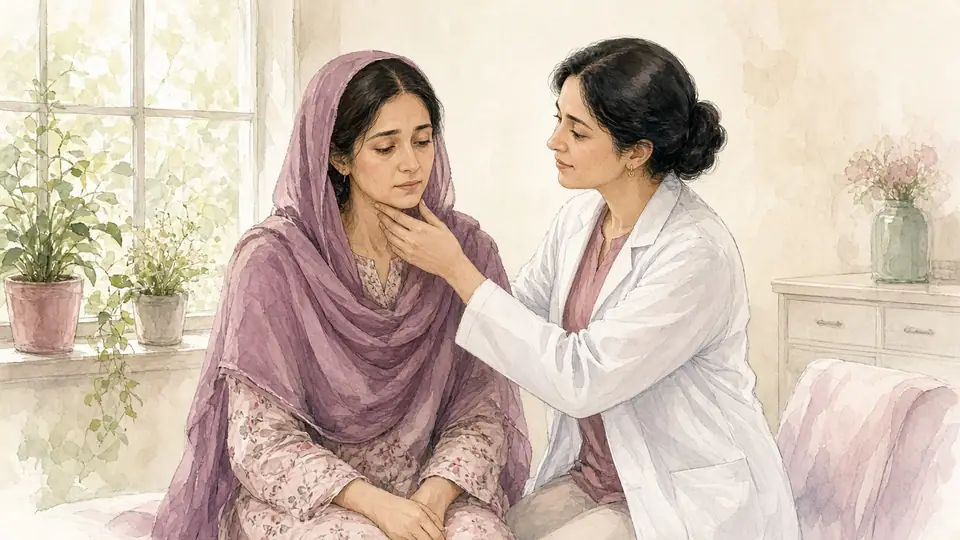
- Examine your abdomen and, with your consent, do a pelvic examination
- Arrange a pelvic ultrasound
- Test for infections if needed
- Discuss treatments: painkillers, hormonal options, and referral to a specialist if endometriosis is suspected
Keep a pain diary for a couple of cycles, noting when the pain starts, how severe it is (0–10), what helps, and any other symptoms.
Planning ahead for painful periods
If you get painful periods every month, a little planning can make them easier:
- Track your cycle so you know when your period is due.
- Start painkillers early. Anti-inflammatory painkillers such as ibuprofen often work best when started at the first sign of pain or bleeding, as long as they're safe for you. Follow the pack instructions or your doctor's advice.
- Keep a hot water bottle or heat pad ready.
- Stay active. Gentle exercise, such as walking or stretching, may help some women.
- Rest when you need to. Plan lighter days around your period where possible.
- Talk to your school, college or workplace if pain regularly affects attendance. A doctor's note can help.
Period pain and school
Girls often miss school because of period pain and embarrassment. Mothers, sisters and teachers can help by talking openly, keeping pads and a painkiller available, and making sure pain that disrupts daily life is checked by a doctor. Severe pain is not something you just have to put up with.
See a doctor promptly if
- Pain is severe, isn't helped by painkillers, or keeps you from daily life.
- Pain is getting worse each month, or began in your 20s–30s after years of easy periods.
- You have pain during sex, between periods, or with bowel movements or passing urine.
- You have fever, unusual discharge, fainting, or severe one-sided pain, or might be pregnant. Seek urgent care.
Frequently asked questions
What is the fastest way to relieve period pain?
For many women, taking an NSAID such as ibuprofen at the start of pain, together with heat on the lower belly, gives the quickest relief. Follow the dosage instructions and check that NSAIDs are safe for you.
Is severe period pain normal?
No. Mild to moderate cramps are common, but pain that stops you from going to school or work, or doesn't improve with painkillers, should be checked by a doctor.
Does marriage or childbirth cure period pain?
No. Primary period pain often eases with age, and some women find it improves after childbirth, but marriage itself doesn't treat it. Severe pain needs proper assessment at any age.
Can I exercise during my period?
Yes. Gentle exercise such as walking or stretching can actually reduce cramps.
What is endometriosis?
A condition where tissue similar to the womb lining grows outside the womb, causing pain and sometimes fertility problems. It's common, and treatments are available.
Sources
- NHS. Period pain.
- ACOG. Dysmenorrhea: painful periods.
- Marjoribanks J, et al. Nonsteroidal anti-inflammatory drugs for dysmenorrhoea. Cochrane Database of Systematic Reviews, 2015.
- World Health Organization. Endometriosis fact sheet.
- NHS. Endometriosis.
- MedlinePlus. Period pain.
Sources were checked on 26 November 2026. Found an error? Tell us and we will correct it.
Medical disclaimer: This article is general information, not a diagnosis or treatment plan. Please talk to a qualified doctor about your own situation. Read our full disclaimer.
Saheli ki weekly sehat tips
One short, private email a week on periods, PCOS and women's health. Free, no spam.
We only use your email to send this newsletter and never share it. Unsubscribe anytime, every email has a one-click link. Privacy policy
Shukriya! You're subscribed. Pehli email jald aayegi.
Something went wrong. Please check your email address and try again.